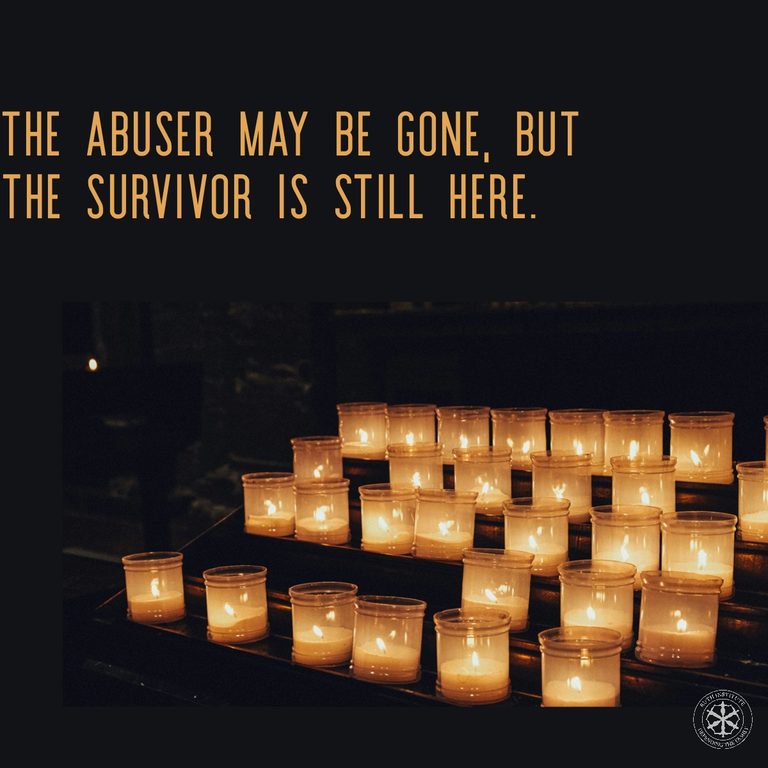

I am a Catholic. I love God, the Church, her traditions, the sacraments, the Eucharist, and the saints. Remaining a practicing Catholic has not always been easy. I have suffered at the hands of someone who was supposed to represent Christ, someone who should have protected me. Yet, by grace, I learned to distinguish between the man and God. One failed. The other did not.
Even after years of healing, prayer, and growth, there are still moments when a cruel lie still tries to take root in my heart. It is the lie that whispers, “You are damaged goods.”
Over the years, many survivors of sexual abuse have shared with me that this same lie knocks at their door. For some, it has nearly destroyed them. The belief that we are somehow “less than,” unworthy, defective, or spiritually disqualified afflicts many survivors for many reasons. Trauma is one of them as are personal sin, perfectionism, and shame. All of them can distort how we see ourselves and how we believe God sees us. Yet God sent His only Son to die for every single one of us and to open the gates of Heaven. That truth alone tells us something profound about our worth.
Where the Lie Takes Root
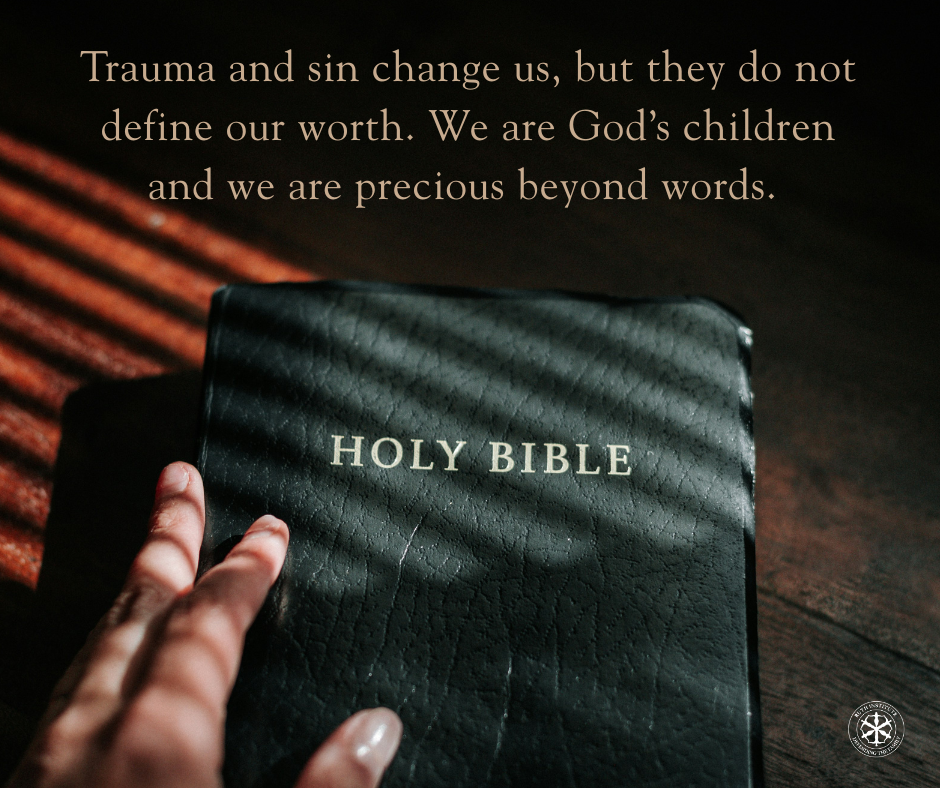
Trauma changes us. Sin changes us. Loss, betrayal, illness, and failure all leave wounds. For survivors of clerical abuse, those wounds can cut deeply into how we see our bodies, our souls, and even our place in the Church. For others, the wounds may come from repeated sin, a past that feels unforgivable, or a life that does not look the way they believed it should or hoped it would.
We often assume that healing should mean feeling whole again. The truth is that we are rebuilt and become new versions of ourselves. When healing doesn’t match our expectations or when memories linger or struggles persist, it’s easy to conclude that something must be fundamentally wrong with us.
Some survivors believe they must fix themselves before approaching God. They think they can only come to Him once their lives are cleaned up, once the shame is resolved, and once they overcome their struggles. Then, they believe, they will be welcome.
This is not the truth.
The truth is that God calls us to come to Him as we are, but He does not intend for us to remain as we are. He meets us in our sin and our suffering not to make peace with it, but to redeem it. An authentic encounter with God always invites conversion, healing, and growth in holiness even when that growth unfolds gradually.
The God Who Meets Us Where We Are
Our Heavenly Father never waits for perfection before drawing near. As long as we are open to receiving Him and willing to invite Him in, He does not hesitate. From the very beginning, God enters human brokenness unafraid. He meets Adam and Eve in the garden after the Fall. He speaks through a burning bush to Moses who feels completely unworthy. Jesus is born into the world into the humblest of circumstances as a helpless infant.
Jesus does not wait for the wounded to heal before approaching them. He meets the Samaritan woman at the well in the middle of her broken relationships and dines with tax collectors who are hated by most for their greed and dishonesty. Jesus allows a sinful woman to anoint His feet while she freely weeps. Remember that even after the Resurrection, Jesus’s wounds remain. He actually invites His doubting apostle, Thomas, to touch those wounds.
We Run but God Does Not
When trust has been shattered by something as painful as sexual abuse, many survivors find themselves pulling away from God. We might do it out of heartbreak and because we no longer feel safe. After all, God is the One we loved and trusted most, so it can feel as though He is the one who disappointed us most.
A painful realization in my own healing journey was that God never ran from me. On the contrary, there were times when I ran from Him. Not only was I struggling to trust Him, but I also became convinced that parts of me were unlovable. My wounds made me feel like a liability rather than a beloved daughter of the Father.
It’s easy to project our discomfort onto others including God. We assume He recoils from the very places He longs to enter. Nothing could be further from the truth, but sometimes it takes time for us to see it.
For survivors, this struggle is often compounded by betrayal at the hands of those who should have reflected God’s care. Loving the Church after clerical abuse is no easy feat. It is costly and requires truth, justice, and a fierce refusal to confuse God with the sins of His ministers.
For me, walking away from God would not have healed me. Encountering Him again and again (even in my weakness) is what ultimately brought healing.
No One Is “Damaged Goods”
The Church teaches that every person is made in the image and likeness of God (imago Dei). This is not erased by sin nor by trauma. The phrase “damaged goods” implies reduced value, loss of purpose, or something unfit for use. No child of God on this earth is beyond hope or restoration. There truly is always hope!
God’s grace transforms what is broken. God does not require our perfection. He asks only for our love, our trust, and our surrender.
Healing Means Rebuilding
One of the most freeing truths I have learned is that healing does not mean returning to who we were before the wound. Healing means allowing God to meet us as we are now and to shape us into something different and even more beautiful than before.
I am not the same girl I was before abuse, and I never will be. I am a different person now, but I am not defined by what happened to me. God has met me again and again in the aftermath, and His patience, mercy, and love have allowed beauty to rise from the cross.
The same is true for those burdened by past sin. Christ does not wait for us to feel worthy of forgiveness. He offers it precisely when we are most aware of our unworthiness.
Come as You Are
If you feel like “damaged goods,” I want to gently remind you that this belief is not truth about you. It is a lie about God planted by the enemy.
We do not need to be healed before we come to Him. We come to Him so that healing may begin. The father of the prodigal son does not question his child before embracing him. He does not demand explanations. He runs to his son, clothes him, and celebrates his return. God’s love does not deny our wounds. It redeems them.
You Are God’s Beloved
One of the reasons I love the Church is that she carries the truth that all people are precious and loved regardless of their brokenness. The sacraments help to sustain me and continually remind me that our God entered into suffering and defeated it. He did so not by avoidance but by love.
I will likely always carry certain scars, but those scars are not signs of worthlessness. They are signs of survival and have become places where the light of Christ can shine through.
No matter what traumas you have endured, no matter how heavy your past sins feel, and no matter how far you believe you have fallen, you are not damaged goods. You are made in God’s image. He seeks your trust and your love, and He yearns to redeem you and to create something beautiful from what has been broken.
He invites you to come to Him exactly as you are.