
Recently, the Attorney General of Rhode Island released a report on clergy abuse in the Diocese of Providence. Much of the coverage surrounding this report has been emotional but also very confusing.
That is understandable. Any discussion of abuse especially within the Church carries deep weight. It is also important to approach this moment with both truth and clarity for everyone involved.
Clarifying What This Report Is and Isn’t
Some media coverage has given the impression that this report uncovered new or ongoing abuse within the Church. That is not accurate. The cases included in this report largely date back to the 1960s through the 1980s. Many had already been documented, reported to law enforcement, and, in some instances, were the subject of prior civil or criminal proceedings. Much of this information had also been made public years ago.
In fact, the Diocese of Providence had already been in contact with victims and law enforcement long before this report was released. This does not lessen the seriousness of what happened. The Church has failed victims in profound ways for a long time, and those failures have caused deep and lasting harm. That truth must never be minimized.
Being honest about the present is also important. According to the report, there are no credible allegations against clergy currently in active ministry, and the diocese has followed legal reporting requirements. That’s a breath of fresh air! Safeguards have been put in place, and there is evidence that efforts have been made to do things differently (and better) than in the past.
That also matters.
Why Reports Still Matter
Some may wonder why reports like this are released at all, especially when much of the information is historical. As a survivor, I believe they can still serve a purpose.
There can be real healing in seeing the truth acknowledged publicly. For those who have suffered in silence, it can mean everything to know, “I’m not alone.” It affirms that what happened was real and that it still matters.
Reports can also play an important role in transparency and accountability. They help ensure that what was once hidden is not forgotten.
At the same time, how these reports are presented and how they are communicated to the public matters just as much. Without proper context and care, even something intended for good can unintentionally cause harm.
Looking Beyond the Headlines
Too often, in the rush for attention, something essential is lost. Reports like this can quickly become headlines stripped of context. Readers are left with the impression that the crisis is new or ongoing, rather than largely historical. In that process, survivors themselves can become forgotten in the media’s frenzy for a big story.
Regardless of whether the narrative is that most priests are abusers or that the Church is entirely corrupt, abuse victims are not props to be used for a compelling narrative. Victims are human beings. They are people who have endured betrayal, fear, and unimaginable pain. Many have suffered in silence for years. Some have died from substance abuse or suicide. Many continue to carry wounds that others cannot see. There are also countless others who have never come forward. We may never know the full scope of the damage done or what was lost.
Behind every number is a person.
A Moment I Will Never Forget
When I met Pope Benedict XVI in 2008, our group presented him with a book containing the names of approximately 1,600 known victims from the Archdiocese of Boston. Each of us was also given a small copy.
To this day, my heart still breaks when I turn the pages. Small crosses are marked next to the names of those who have died. Each name represents a life profoundly affected. Every person (listed or not) represents a life interrupted by betrayal.
It’s all too easy to forget that each one of those individuals is a child of God. Each one is deeply loved by Him.
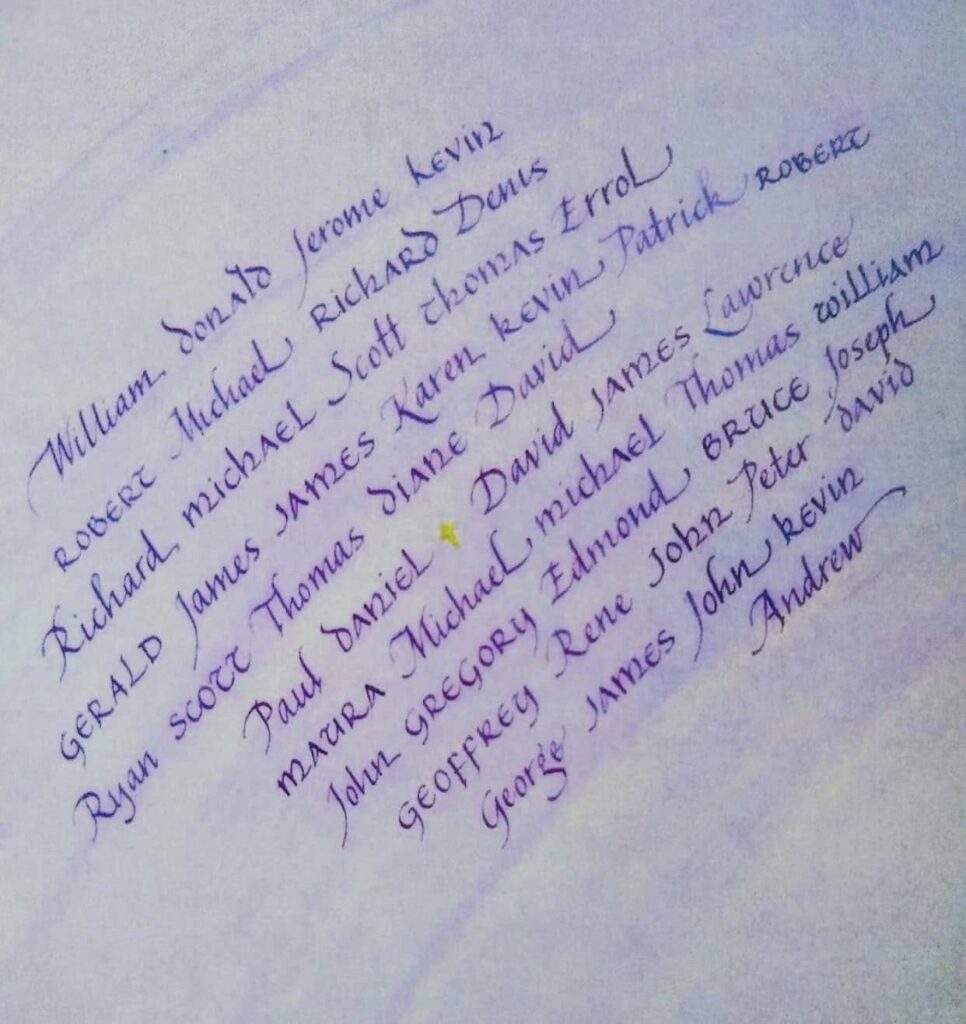

That book was a powerful reminder that this crisis is not about numbers. It is about people. I believe it helped humanize the reality of abuse in a profound way even for the Holy Father himself. We can never allow ourselves to take away the humanity of victims.
Accountability Without Exploitation
To be clear, there are still ongoing concerns regarding sexual abuse. There are both current cases and instances of cover-up. We may never know the full extent due to the fact that many victims do not come forward right away, if at all.
What we do know is that many of these atrocities have come to light. That is a good thing. My hope and prayer is that the safeguards now in place will continue to make a real difference.
The past must never be swept under the rug. It matters. Whether they have come forward or not, every victim matters.
We must remember that there is a difference between accountability and exploitation. If new information needs to be shared, it should be done responsibly and with care. Continually revisiting past tragedies without proper context (especially in ways that sensationalize or distort) can do more harm than good. It risks reopening wounds and reducing deeply personal suffering into something to be consumed.
Acknowledging the Good
At the same time, while the people within Church who have failed must absolutely be held accountable for their failures, we should also recognize when things are being done right. Not every priest, bishop, or cardinal is unfaithful. Many serve with integrity and devotion, and that deserves acknowledgment.
Where are those stories? We don’t hear about them very often.
It is true that many people carry deep anger toward the Church, and in many cases, that anger is understandable. The Church’s failures in regard to its handling of abuse have caused profound harm, and trust has been broken. These are real consequences that cannot be dismissed.
At the same time, the Church has also faced criticism and hostility long before these scandals came to light. Because of this, there can sometimes be a tendency to focus only on its failures, without recognizing the good that still exists within it.
We need to be careful. Predators and those who have covered for them need to be held accountable. However, we can hold responsible parties accountable while also being honest and fair in how we speak about it today.
Advice from a Survivor: How to Respond
1. See survivors as people first.
Every survivor has a name, a life, and a story. Be careful about reducing someone’s trauma to a headline or statistic.
2. Listen without judgment.
Sometimes the most powerful response is simply to listen and validate the pain of others.
3. Respect boundaries.
Not every survivor wants their story shared publicly. Honor their voice without amplifying it for your own purposes.
4. Pray and remain hopeful.
Pray for survivors. Offer moments of reflection and compassion. Healing is often slow, but it is possible.
5. Promote accountability, not exploitation.
Demand transparency and safety but do so in ways that prioritize healing over additional drama and sensational headlines.
A Glimmer of Grace
As survivors, we carry pain, but we also carry the ability to recognize grace. We have the ability to honor those whose lives were wounded or even lost, and we can walk alongside those who are still healing. So many survivors are witness to the fact that even in the darkest places, healing, faith, and hope are still possible.
Reports like the one from Rhode Island remind us of a painful truth: abuse happened, lives were changed, and we must never forget. They also remind us that behind every statistic is a human being deserving of dignity, compassion, and the chance to reclaim their life.
The truth matters. Healing matters. Above all, people (not clicks, not headlines) matter.