
LAKE CHARLES, Louisiana—“The Ruth Institute is gratified that the US Supreme Court ruled 8-1 in favor of counseling freedom in the Chiles v. Salazar case,” said Ruth Institute President, Dr. Jennifer Roback Morse, Ph.D.
“This is a victory for common sense and free speech. Most of all, it’s a victory for those men and women seeking psychological support for addressing unwanted same sex attraction. The experiences and needs of these men and women have been ignored, ridiculed and marginalized for way too long.”
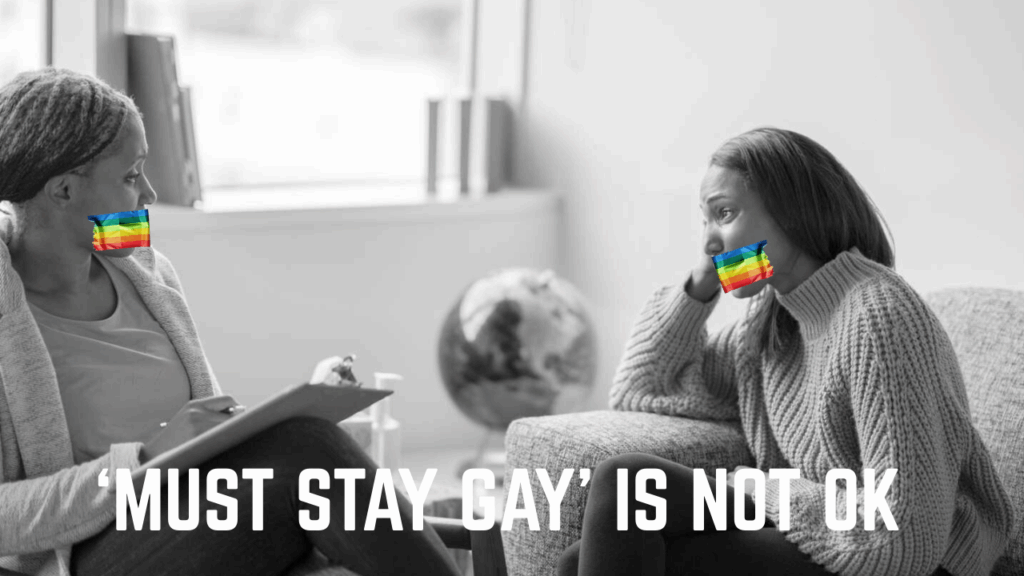
Prior to today’s ruling, “Must Stay Gay” laws restrict counseling for unwanted same sex attraction in 27 states and 30 nations worldwide.
“This Supreme Court decision is only the beginning,” Morse said. “More Christian counselors like the courageous Kaley Chiles will be emboldened to offer people the help they seek. This case will reshape counseling freedom across America. And it’s about time.”
The Ruth Institute submitted an amicus brief to the US Supreme Court supporting Kaley Chiles’ challenge of the Colorado therapy ban. That brief detailed the evidence that same sex attraction is not an innate immutable trait.
The brief also cited evidence that therapy to assist people with unwanted same sex attraction is not intrinsically harmful and, in fact, often helps people.
Since filing that brief last June, Ruth Institute Senior Research Associate, Fr. Paul Sullins, Ph.D., published a ground-breaking study based on the Institute’s Leaving Pride Behind survey.
“We collected this data from individuals who have greatly reduced their patterns of same sex attractions and sexual behavior. We know these people exist. We wanted to learn more about their journeys into and out of the LGB experience,” Morse noted.
According to the study, summarized here, women were more likely to report benefits from counseling aimed at reducing same sex attraction (Table 4). Therapy to reduce same sex attraction sometimes brought relief from other troubling issues, notably depression among women and self-harm among men. (See Table 8.)
“The most common (but not the only) reason people give for going to ‘conversion therapy’ is to be able to reconcile their sexual behavior with their relationship with God–and Ruth Institute research has found that it is extremely successful in helping persons leave same-sex behavior behind,” Sullins said.
“I am thankful that the Supreme Court has reaffirmed the right of people of faith to live in accord with their own religious convictions, and not those of the government, about personal, intimate matters of holy living as sexual beings,” Sullins added.
In addition, the Ruth Institute has interviewed many people who Left Pride Behind, sometimes with the help of counseling. Others changed their patterns of attractions and behavior with no therapy at all. Most reported serious childhood trauma.
“Bans on counseling freedom have undoubtedly had a ‘chilling effect’ on therapists who realize that many sexual minorities have histories of traumatic experiences,” Morse stated.
“Treating the trauma sometimes shifts the patterns of attractions. Could this be considered ‘conversion therapy?’ Thanks to today’s ruling, American therapists no longer need to worry about inadvertently bumping into restricted territory.”
“The legal minefield just got considerably clearer. We are so grateful to the Court for this important ruling that will mean so much to so many people,” Morse concluded.