Abortion
& Women's
Mental Health

Groundbreaking Research: New Answers to Old Questions

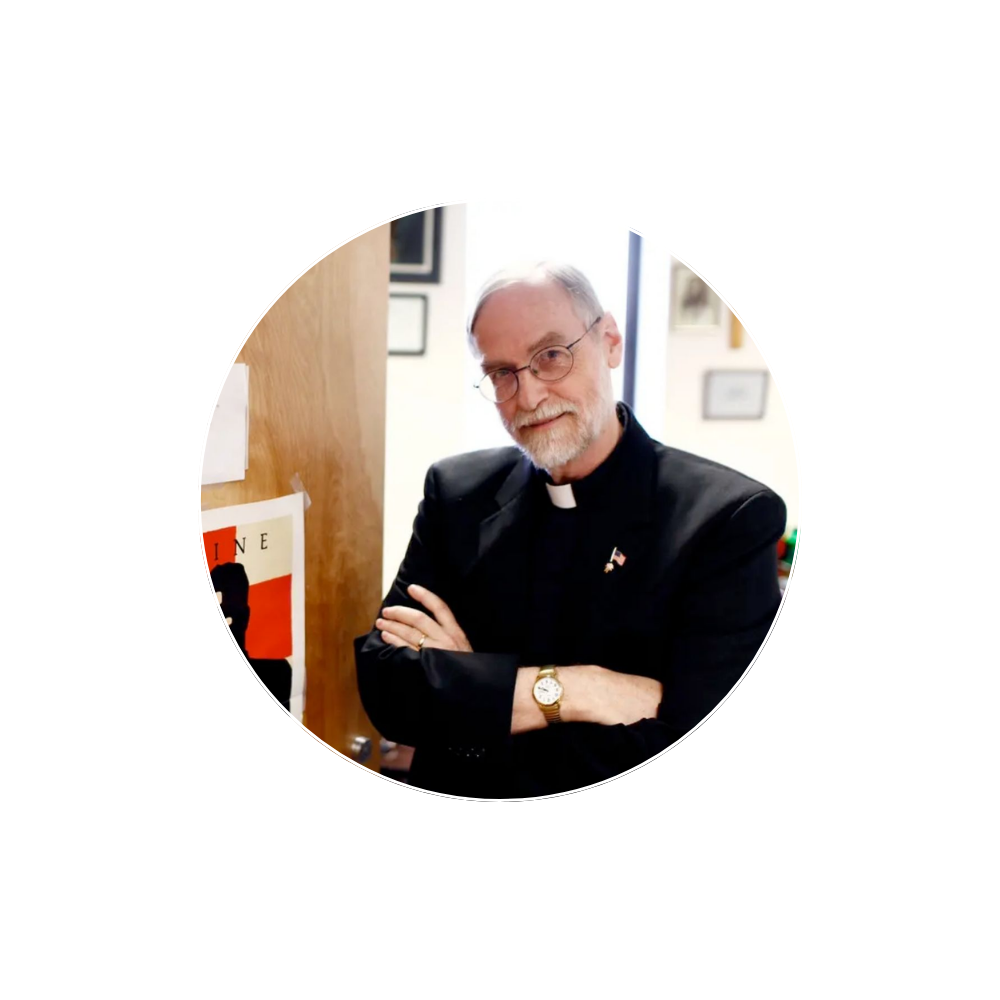
Rev. D. Paul Sullins, Ph.D.

“The grief some women feel after abortion does not go away. It doesn’t diminish—it persists, often for decades.”

                                                          — Persistent Emotional Distress After Abortion (2024)

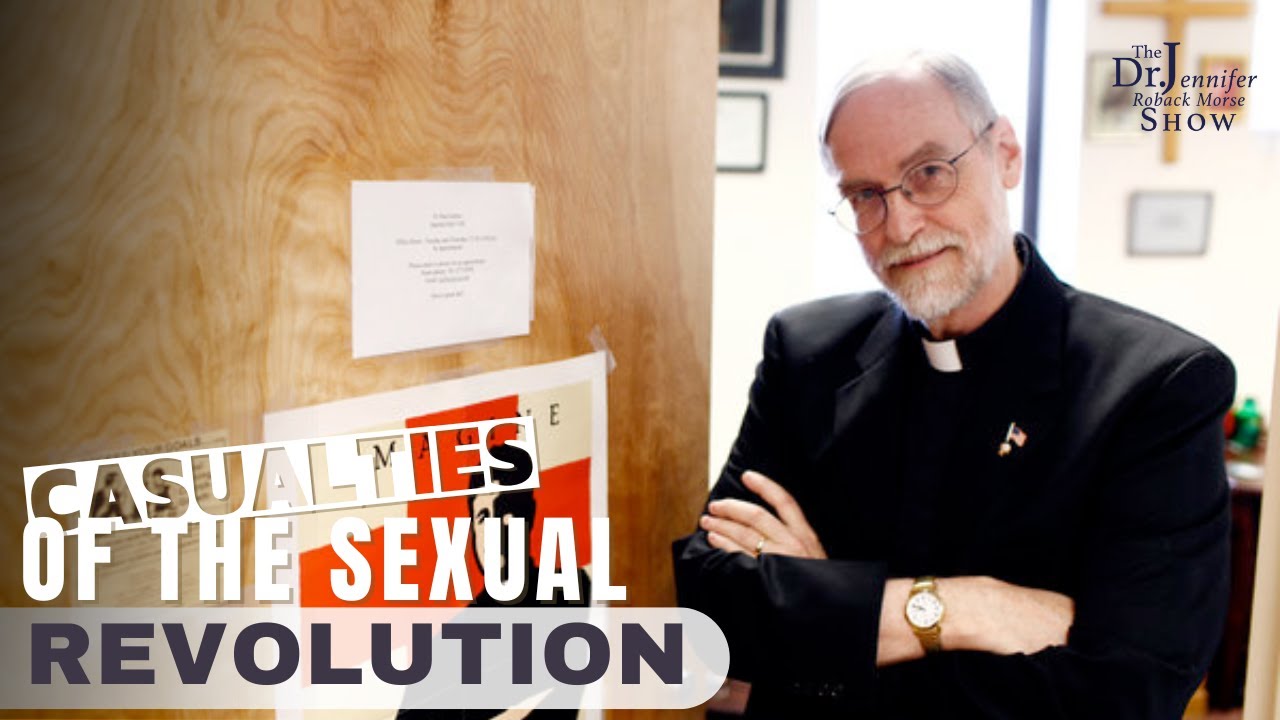
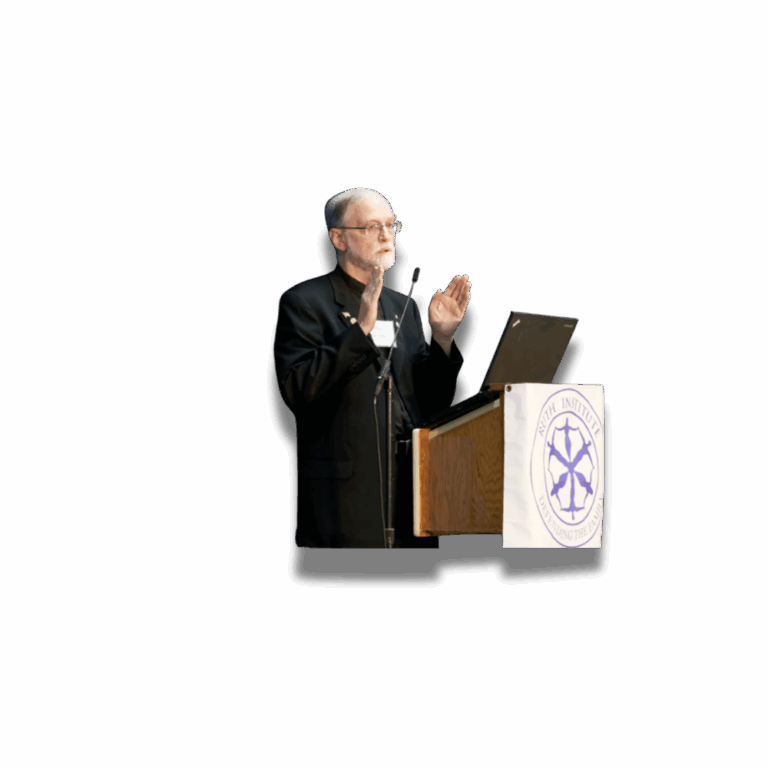
Fr. Paul Sullins, Ph.D., is a Catholic priest and sociologist renowned for his groundbreaking research on the psychological aftermath of abortion. With a background in both theology and social science, Fr. Sullins has published extensively in peer-reviewed journals, contributing empirical insights to some of the most contested issues in contemporary bioethics and public health.

His work draws from large-scale national data sets such as the Add Health survey and the National Longitudinal Survey of Adolescent to Adult Health, allowing for robust statistical analysis of mental health outcomes over time. He has focused particularly on depression, suicidality, anxiety, substance abuse, and the impact of pregnancy intention on post-abortion mental health.

Fr. Sullins has also critiqued methodological biases in public health research and emphasized the need for open academic discourse on abortion’s long-term consequences. His studies have been cited in legal briefs, public policy discussions, and international forums. In all his work, he seeks to uphold both scientific integrity and human dignity.
No. Women who had abortions experienced significantly higher rates of mental health disorders — including anxiety, depression, and substance abuse — than women who carried to term. One meta-analysis found an 81% increased risk of mental health problems post-abortion, with nearly 10% of all such problems attributable to abortion itself.
SourceSullins, 2016 – Abortion and Mental Health 

Not necessarily. Up to 26% of women report persistent emotional distress — including grief, sadness, and guilt — even five years after an abortion. Read this recent article on EWTN.
SourceSullins, 2025 – Persistent Emotional Distress After Abortion in the US

No. Mental health risks are elevated regardless of whether the abortion was wanted or unwanted. Even among women who initially wanted the abortion, the rate of affective or substance abuse disorders was significantly higher than for women who gave birth.
SourceSullins, 2019 – Affective and Substance Abuse Disorders Following Abortion by Pregnancy Intention

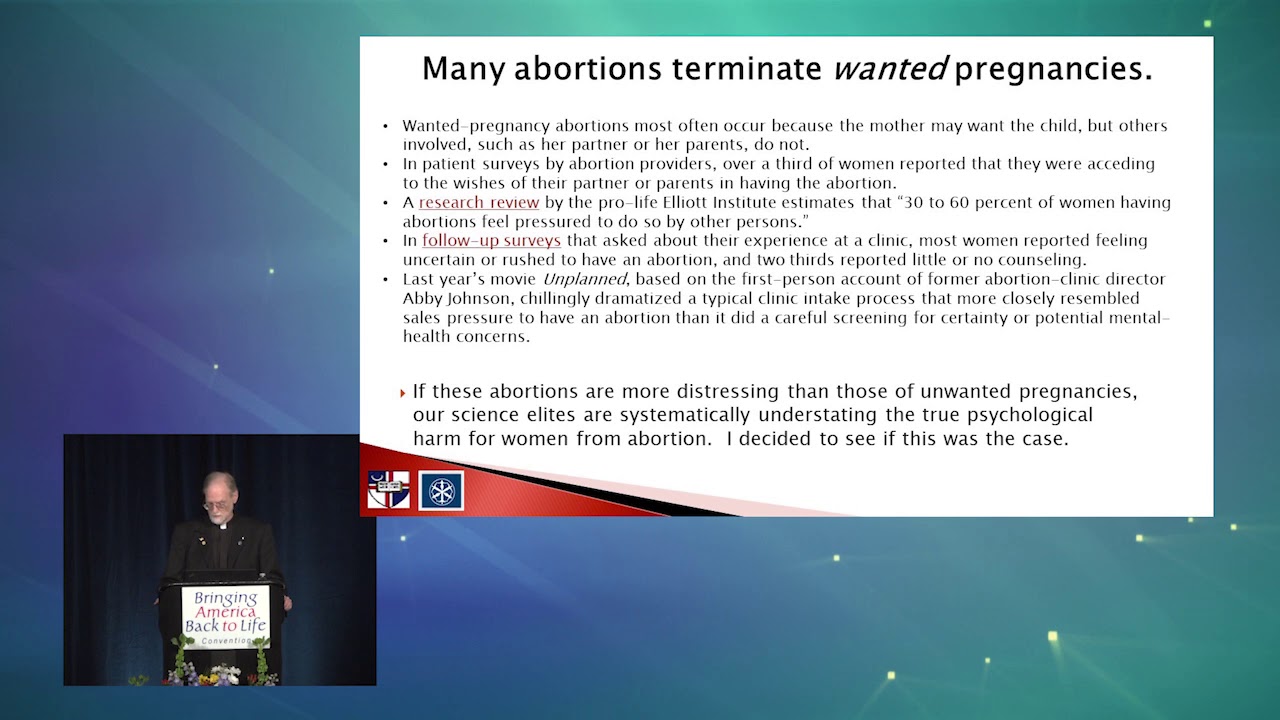
Not always. A significant number of women report external pressure, coercion, or lack of adequate counseling prior to undergoing an abortion — raising concerns about consent and mental health consequences.
SourceSullins, 2020 – Aborting the Wanted Child (Summary of Sullins, D.P. (2019) Medicina)

WHY THIS RESEARCH MATTERS

THE LONG-TERM IMPACT OF ABORTION: A RESEARCH ARCHIVE


This webpage serves as the central hub for the abortion research of Fr. Paul Sullins, a sociologist and Catholic priest whose work explores the psychological effects of abortion on women—especially over the long term.

Here you’ll find peer-reviewed studies, articles, and summaries that reveal patterns often absent in mainstream discourse. Each paper is accompanied by clear summaries, key findings, and direct access to full PDFs.

“Abortion was associated with an increased risk of mental disorder that persisted across all models and time frames.”


Sullins, D. P. (2025). Persistent emotional distress after abortion in the US

“The pattern of abortion-associated mental health risk found in this study strongly supports a causal interpretation.”


Sullins, D. P. (2019). Affective and substance abuse disorders following abortion by pregnancy intention: A longitudinal cohort study. Medicina, 55(11), 741 


“Very few studies have examined long-term mental health outcomes following abortion.”


Sullins, D. P. (2016). Abortion, substance abuse and mental health in early adulthood: Thirteen-year longitudinal evidence from the United States. SAGE Open Medicine, 4

– Fr. Paul Sullins

Explore Fr. sullins' Groundbreaking Studies Below

Abortion-Related Mental Health Disorders at Midlife
Analyzes Add Health data to show peak levels of depression and suicidality after abortion occur near age 28 and linger into the late 30s.
READ FULL STUDY
Persistent Emotional Distress After Abortion
Findings from a 20-year longitudinal study on women who had abortions, showing ongoing psychological distress into midlife.
READ THE STUDY
Affective and Substance Abuse Disorders Following Abortion by Pregnancy Intention
Shows that abortions of wanted pregnancies carry higher risks for depression, suicidality, and substance abuse than abortions of unwanted pregnancies.
READ THE STUDY

Academic & Public Response

What the Data Reveals, and Why It’s Controversial

Despite decades of advocacy declaring abortion has no long-term psychological effects, Fr. Sullins’ research tells a more complicated story—one supported by data, not ideology. As a result, his work has appeared in major peer-reviewed journals, while also prompting pushback from groups uncomfortable with its findings.

Whether embraced or resisted, his studies have opened a critical space for honest inquiry—especially on behalf of the women whose mental health has too often been left out of the conversation.

More Studies From The Research of Fr. Sullins

Rise and Fall of Legal Abortion in the US
This paper analyzes how legal, demographic, and policy shifts have shaped the expansion, peak, and recent decline of abortion rates and clinic access in the United States.
READ FULL STUDY
Abortion, Substance Abuse & Mental Health in Early Adulthood
Long-term U.S. data show abortion is linked to higher risks of depression, anxiety, suicidality, and substance abuse during early adulthood
READ THE STUDY
Aborting Sex: Gay Rights as an Anti-Life Movement
This study, published in the journal, Life and Learning, vol XX, explores cultural links between contraception, abortion, and same-sex activism in shaping a “life-preventing” social ethic.
READ FULL STUDY
The Unintended Consequences of Mifepristone
This study, published in the journal, Life and Learning, vol XI, analyzes clinical trials showing how the abortion pill’s side effects and waiting period challenge assumptions about “easy” medical abortion.
READ FULL STUDY

Featured MEdia

Playlist

6 Videos

What the Data Shows: Abortion and Mental Health by the Numbers

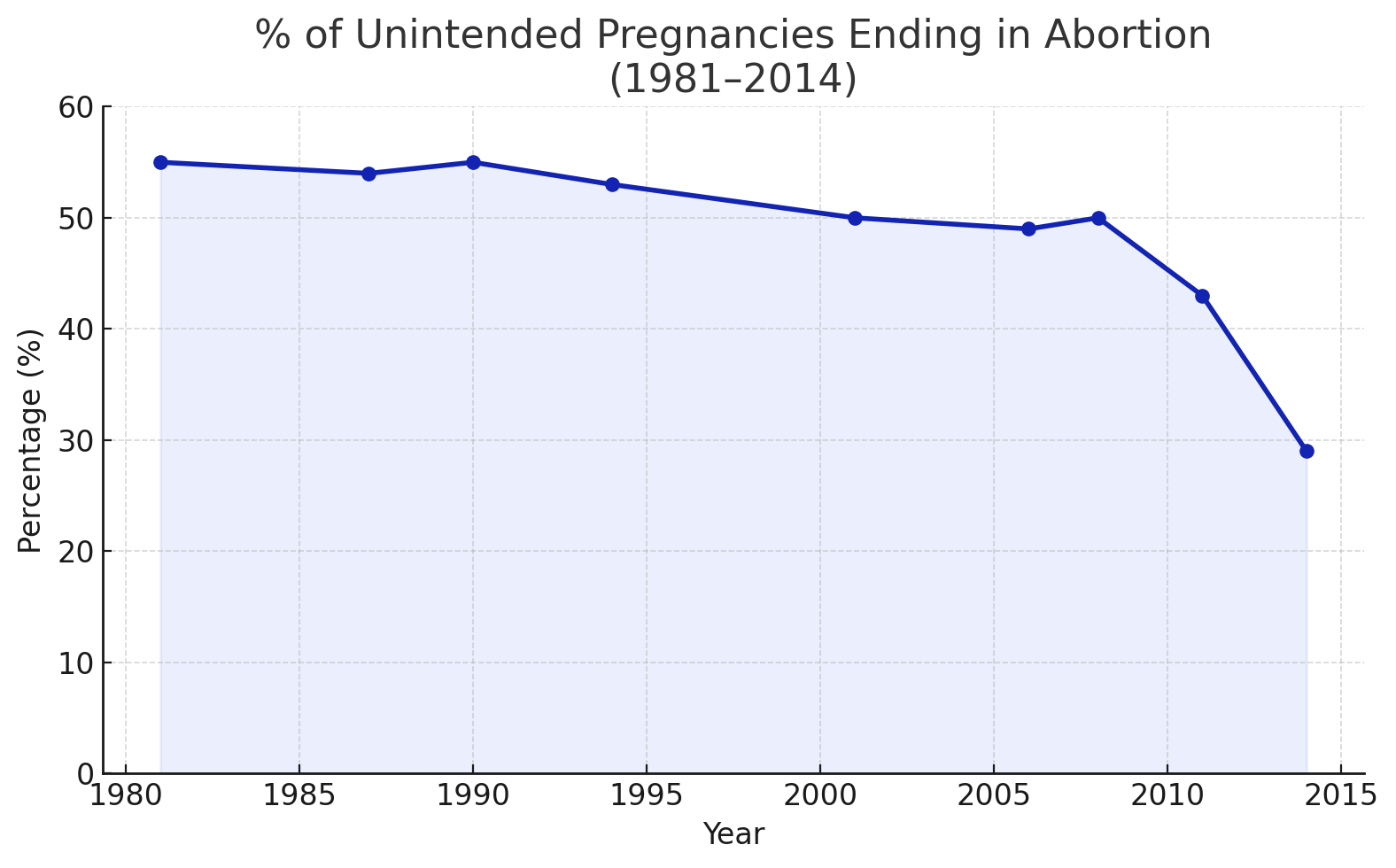
The Decline of Abortion Use Among Unintended Pregnancies (1981–2014)

The percentage of unintended pregnancies ending in abortion dropped from over 50% in the early 1980s to just 29% by 2014—reflecting cultural, legal, and demographic shifts in the U.S.

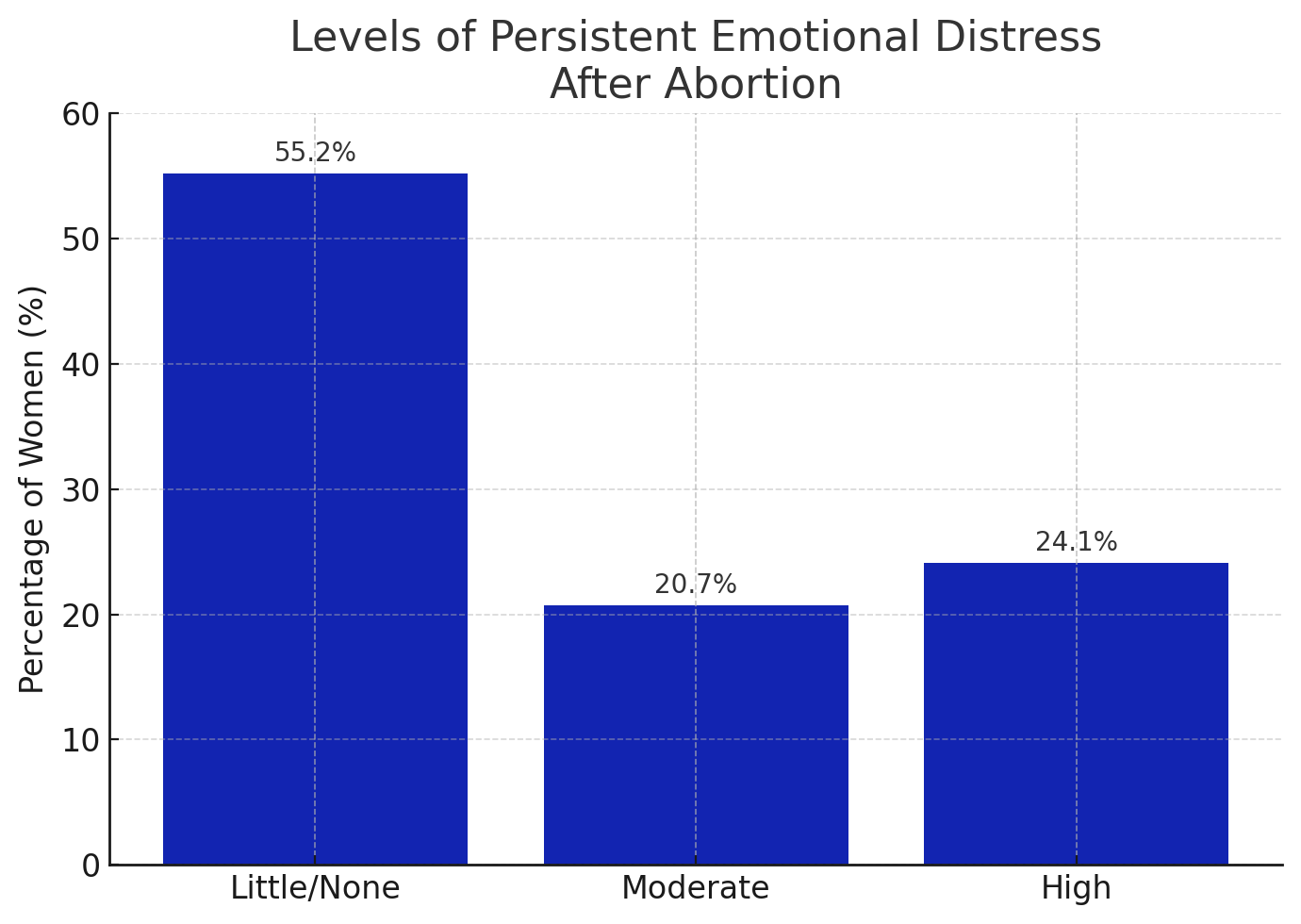
Emotional Distress Persists for Many Women Post-Abortion

Over 44% of women who have had an abortion report moderate to high levels of persistent emotional distress, even years later—challenging the assumption that abortion resolves psychological hardship.

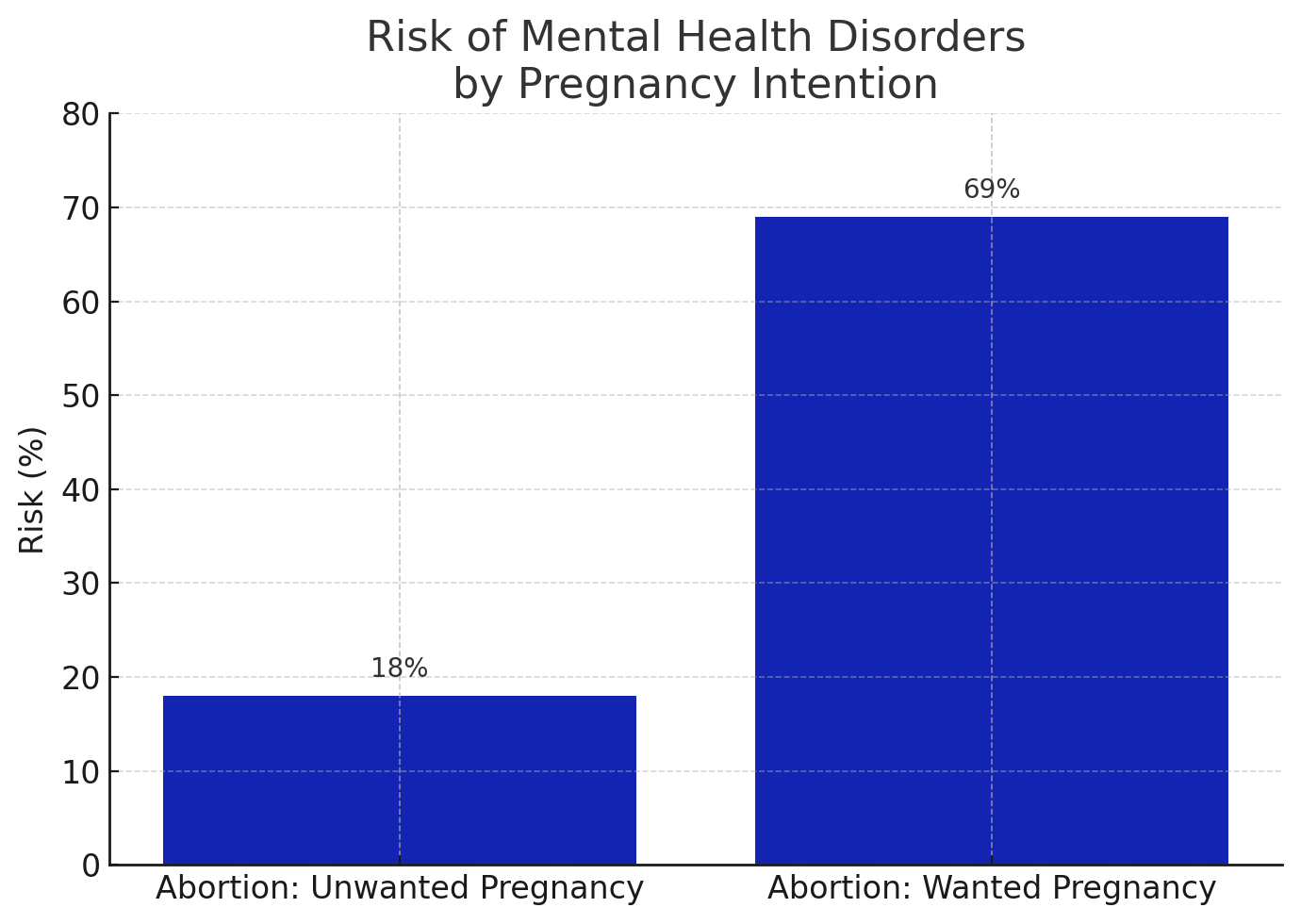
Mental Health Risks Are Higher When the Pregnancy Was Wanted

Women who aborted a wanted pregnancy were nearly four times more likely to experience mental health disorders compared to those who aborted an unwanted one—highlighting the importance of intention in emotional outcomes.

Research Archive


Abortion-Related Mental Health Disorders at Midlife: Twenty-Year Longitudinal Evidence from the United States
Sullins, D. P. (2024). Preprints, 202408.0271.v1.

Persistent Emotional Distress After Abortion in the United States
Sullins, D. P. (2024). Preprints, 202407.1463.v1.

Aborting the Wanted Child (Simplified version of “Affective and Substance Abuse Disorders Following Abortion by Pregnancy Intention: A Longitudinal Cohort Study”)
Sullins, D. P. (2020, January 22). Public Discourse.

Affective and Substance Abuse Disorders Following Abortion by Pregnancy Intention: A Longitudinal Cohort Study
Sullins, D. P. (2019). Medicina, 55(11), 741.

The Rise and Fall of Legal Abortion in the United States: Response to the NAS Report on Abortion Care, Demographics and Effects of Clinics
Sullins, D. P. (2019, April 9). Unpublished manuscript.

Abortion, Substance Abuse and Mental Health in Early Adulthood: Thirteen-Year Longitudinal Evidence from the United States
Sullins, D. P. (2016). SAGE Open Medicine, 4, 1–11.

Aborting Sex: Gay Rights as an Anti-Life Movement
Sullins, D. P. (2010). In J. Koterski (Ed.), Life and Learning XX (pp. 193–220). University Faculty for Life.

The Unintended Consequences of Mifepristone: Evidence from the Clinical Trials
Sullins, D. P. (2002). In K. Whitehead (Ed.), Life and Learning XI: Proceedings of the University Faculty for Life Conference (pp. 131–152). University Faculty for Life.

These studies by Fr. Paul Sullins, Ph. D, illuminate the often-overlooked emotional, psychological, and societal consequences of abortion. His research gives a voice to women whose experiences are too often dismissed or ignored. We invite you to share these findings with others.

Connect

The Ruth Institute is a 501c3 non-profit organization.

630 W. Prien Lake Road, Suite B #246, Lake Charles, LA 70601

© 2026 Ruth Institute