I was encouraged to hear that Pope Leo XIV recently met with six survivors of clergy abuse in Spain. He spent nearly an hour listening to their stories and their proposals for improving the Church’s response to abuse. In doing so, Pope Leo reminds us that the scandal is not something of the past to be forgotten. It won’t simply go away, and survivor voices are important. People are still reeling from it, still recovering, and still healing.
As a survivor of clerical abuse myself, I know that meetings alone cannot heal wounds. No single conversation can erase trauma, and there is no statement that can undo years of pain, confusion, betrayal, and loss. Yet, listening matters. Accountability matters, and humbly admitting that the church has failed matters.
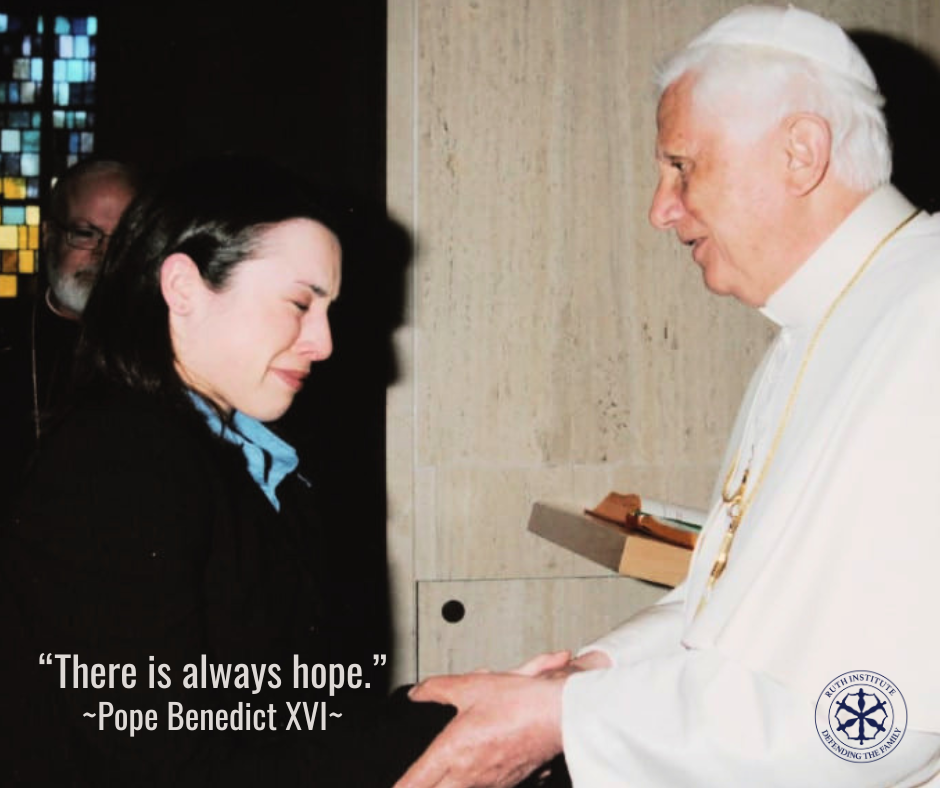
In 2008, I was among a small group of survivors who met privately with Pope Benedict XVI. Looking back, I can honestly say that the meeting was one of the most significant moments in my healing journey. It was life-changing.
I did not leave that chapel completely healed. The trauma did not disappear, and the memories and challenges remained. Even so, I felt listened to and I felt seen. When I left, I felt treated as a person whose suffering mattered — not as a problem to solve, an embarrassment to hide, or a public relations crisis to manage.
For many survivors, that is no small thing.

The Challenge of Trust
One of the realities that my fellow Catholics often struggle to understand is how difficult it can be for survivors of clerical abuse to trust.
When the person who harms you is a priest, the betrayal runs especially deep. He is a man who is supposed to represent something sacred. He stands at the altar, speaks about God, and administers the sacraments. Catholics go through the priest. Priests act as the hands and feet of Christ and represent Him in the Eucharist, Confession, and the other sacraments in a powerful irreplaceable way.
When that trust is violated, survivors are often left trying to separate the man from the faith he was supposed to represent. I can tell you from experience, this is not an easy task.
Many survivors wrestle with anger, fear, confusion, and profound spiritual wounds. Some leave the Church. Some remain but they struggle to trust Church leaders. Many desperately want to believe in God’s love while finding it difficult to feel safe in places that once felt sacred.
That is why authentic listening from Church leaders matters so much. It does not instantly restore trust, but it can help create the conditions in which trust might someday begin to grow again.
What Survivors Need
As I read reports of Pope Leo’s meeting, I was particularly encouraged that he not only listened to survivors’ stories but also received their recommendations for improving the Church’s response. Survivors have important insights to offer. We know what helped and what caused additional harm. We know what it feels like to encounter compassion and what it feels like to encounter indifference. We know the difference between being heard and being managed.
The Church should continue listening to those voices. Survivors need more than apologies. We need more than carefully crafted statements that sound nice. We need to be listened to. We need truth, justice, accountability, and meaningful prevention efforts. Survivors and the Church as a whole need leaders who are humble enough to sit with uncomfortable realities rather than look away from them. Most of all, we need to know that protecting children and vulnerable people remains a priority long after headlines fade.
“There Is Always Hope”
There are many things I remember from my meeting with Pope Benedict XVI, but one phrase in particular has remained with me throughout the years: “There is always hope.”
Those words did not erase my pain, nor do they solve every struggle. They did not instantly heal the wounds left by abuse, but they reminded me that our suffering does not have the final word.
Hope is not pretending that abuse did not happen, and it doesn’t minimize the damage that’s been done. When we have hope, we’re not asking survivors to simply forget and move on. Hope is the conviction that healing is possible, even when the road is long. It is believing that God remains present even when human beings have failed us. Hope is choosing to believe that light can still enter the darkest places. We all have our part to play in bringing hope to everyone looking to encounter God’s healing love.
A Prayer for the Future
As Pope Leo continues his pontificate, I am encouraged to see him meeting directly with survivors and emphasizing listening, justice, reparation, prevention, and care. My prayer is that these efforts continue, that every survivor who comes forward encounters sincere listening and compassionate support, and that Church leaders continue learning from survivors and implementing meaningful reforms that protect future generations.
Most of all, I pray that every survivor knows that their story matters. If you are a survivor reading this, I want you to know that you matter. Your wounds matter. Your healing matters, and you deserve to be heard.
Most of all, I want you to know that no matter how difficult the journey may be, there is always hope.